

What to Check Before Electrifying Your Home
What to Check Before Electrifying Your Home? How to Make Your Home More Energy-Efficient and All-Electric: Insights from Cool Davis’ Advising Session
Thinking about upgrading your home to save energy and go all-electric? You’re not alone. On December 17th, Cool Davis hosted an online Home Energy Advising Session, packed with tips, real-life stories, and step-by-step advice for homeowners looking to make their homes more efficient, comfortable, and future-ready. If you are interested in receiving additional resources and information about the California State Home Energy Score Program – take our HES Interest Survey here!
Residents in unincorporated Yolo County can apply to the Yolo Energy Partnership: Yolo County Home Energy Score Program here.
Here’s what we learned—and how you can start making changes, no matter the age of your home.
Start With What You Can Measure
A good first step is an energy audit. This gives you a snapshot of where your home is losing energy and where upgrades will make the biggest impact. Even small improvements can add up:
-
Seal leaks around windows and doors
-
Add insulation in attics or crawl spaces
-
Check your ductwork for leaks
Experts recommend using blowers door tests and infrared cameras to see exactly where energy is escaping. One advisor put it simply:
“Windows often give you the best bang for your buck. A blower door test will show you where your leaks are, so you can plan upgrades smartly over time.”
Smart Planning Pays Off
Timing and planning matter, especially if you want to take advantage of rebates and incentives. While some federal tax credits have ended, programs like the CA Energy Smart Home Program can still help cover the costs of big upgrades—like heat pumps, water heaters, and full electrification.
The key takeaway: don’t rush into upgrades without a plan. Document your work, coordinate projects, and work with a contractor who understands rebate requirements. Otherwise, you could miss out on thousands of dollars in incentives.

Appliances, Panels, and New Tech
Many homeowners are replacing gas appliances with electric versions:
-
Heat pump HVAC and water heaters for efficient heating and hot water
-
Induction cooktops and stoves, some with built-in batteries for easy installation anywhere
-
Smart panels like SPAN panels to manage loads without immediately upgrading your electrical service
Small smart upgrades, like switches for EV chargers, can prevent overload and make your electrical system more efficient without a costly panel upgrade.

Don’t Forget Ducts
Ductwork is often the hidden culprit behind high energy bills. Many homes lose 20–50% of heating and cooling energy through leaky or undersized ducts. California now requires duct testing when replacing HVAC systems, but even small repairs can make a noticeable difference in comfort and efficiency.
Pro tip: a proper duct design and professional sealing can prevent inefficiencies. Poorly sized ducts can actually make your new HVAC system work harder, costing more over time.
Check Your Utility Rates
Switching from gas to electric doesn’t just change appliances—it changes your bills. Always notify your utility (PG&E, or Valley Clean Energy for electricity) when you switch to electric heat or water.
-
Check time-of-use and Electric Vehicle rates to see which plan saves you the most money.
-
Use your utility’s online tools—they simulate your bill based on actual usage.
Small changes in how and when you use energy can make a big difference on your monthly bill.
Bottom Line
Electrifying your home isn’t just about replacing appliances—it’s about planning, diagnosing, and upgrading your home strategically. Start with an energy audit, focus on insulation and ductwork, plan your projects around rebates, and consider smart electrical upgrades. Even older homes can become efficient, comfortable, and future-ready with the right approach.
5 Things to Check Before Electrifying Your Home
-
Energy Audit – Identify leaks, insulation gaps, and inefficient appliances.
-
Ductwork – Test for leaks and ensure proper sizing for new HVAC systems.
-
Electrical Panel Capacity – Consider smart panels or load management before expansion.
-
Appliance Choices – Prioritize heat pumps, induction cooktops, and efficient water heaters.
-
Utility Plans – Check PG&E or Valley Clean Energy rates to optimize costs once you switch to electric.
Electrifying your home can seem overwhelming, but starting with the right information and a clear plan makes it doable—and rewarding. As one participant said during the session:
“Even in older homes, thoughtful planning and the right guidance can make a dramatic difference.”
Cool Davis’ advising sessions and workshops provide the roadmap. All you need to do is start with one step at a time.
Useful links:
ENERGY STAR REBATE & TAX CREDIT FINDER -Search by zip code for rebates and tax credits:
Cool Davis Materials (please share with friends and neighbors):
Follow Us


FACEBOOK FEED

TWITTER FEED


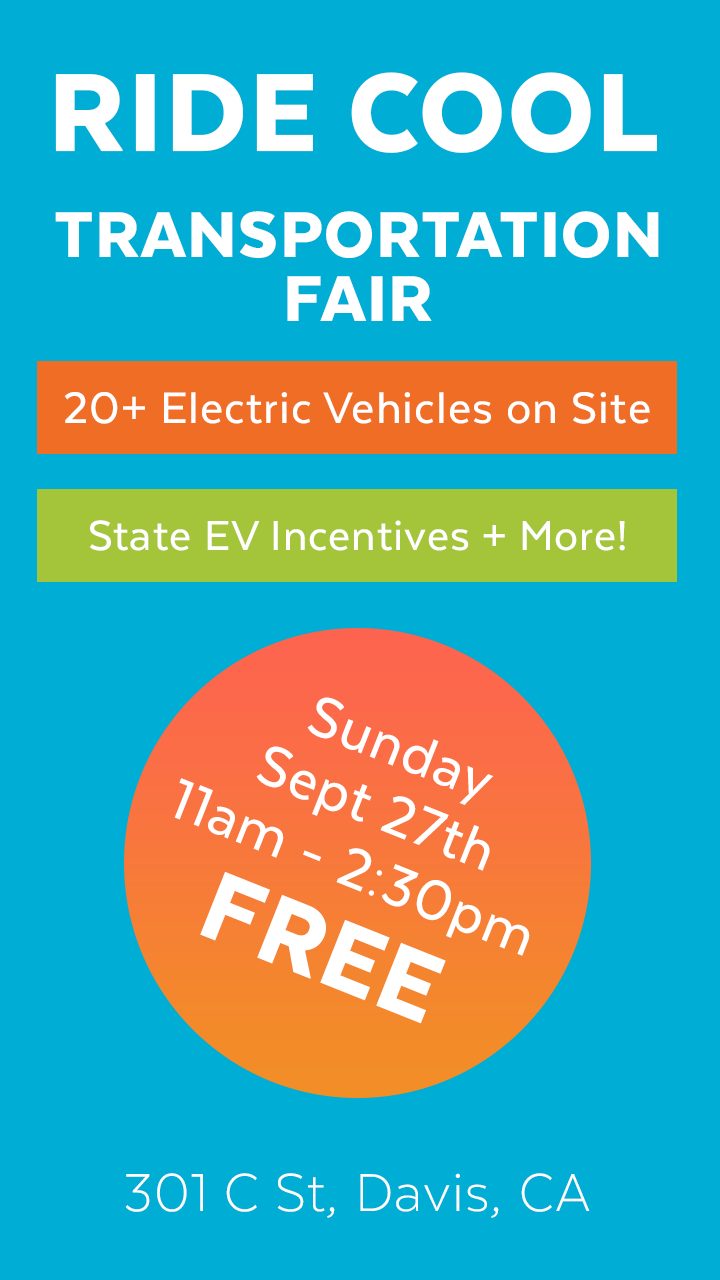
Curious about EVs? E-bikes? Want to learn about them without the sales pitch? Then come this Sunday to talk directly to owners and check out all the green transportation options in #Davis and #Yolo
Don't freak out, there's still time! Please give to help us meet our goal by midnight! #yoloca #bdog2024 #givebig2024 #nightowls https://www.bigdayofgiving.org/cooldavis

Thank you for helping us fly free with your evening donations (not easy in the dark ;) #yoloca #bdog2024 #givebig2024 https://www.bigdayofgiving.org/cooldavis

Yolo we are so close to our Big Day of Giving goal! Thank you for being on the move and helping us make a much needed $40,000 by midnight tonight! #yoloca #bdog2024 #givebig2024 @yolocommunityfdn https://www.bigdayofgiving.org/cooldavis

There's no masking your generosity! Reveal your true colors and support us today for Big Day of Giving! #yoloca! #bdog2024 #givebig2024 #mayisbikemonth https://www.bigdayofgiving.org/cooldavis

